As a supplier specializing in KONE elevator guide shoes, I've spent years working closely with maintenance teams, building managers, and elevator technicians who tell me the same thing: guide shoes are the unsung heroes of smooth, safe elevator operation. These small components bear the brunt of the elevator's movement along its guide rails, absorbing lateral force, reducing friction, and preventing the cab from swaying or misaligning mid-ride. Ignoring their condition is like skipping regular oil changes in a car-small issues turn into costly, time-consuming breakdowns that disrupt building traffic and put passengers at risk. Over my time in this field, I've learned that checking guide shoe condition isn't a complicated task, but it does require attention to detail and an understanding of what to look for. Whether you're a seasoned technician or a building manager new to elevator maintenance, this step-by-step guide will help you properly inspect KONE elevator guide shoes and catch problems before they escalate.
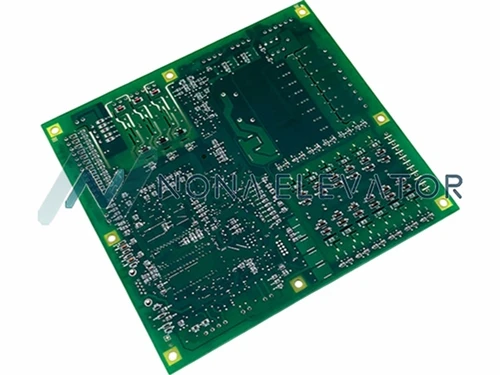
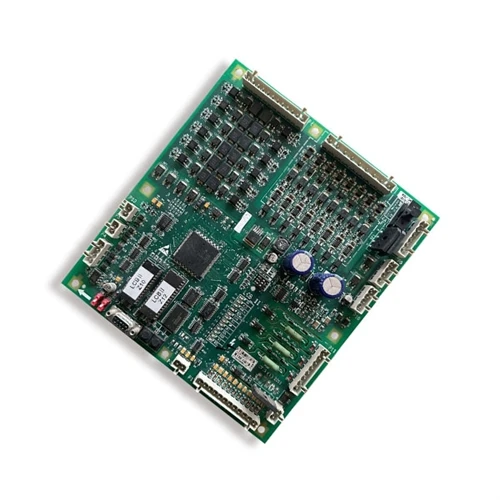
First, it's important to set the right context for when and why to inspect guide shoes. KONE's design for guide shoes is built to last, but their lifespan is heavily dependent on usage, environment, and maintenance frequency. Guide shoes typically last between 3 to 5 years in high-traffic buildings (like offices with 10+ floors) and up to 8 years in low-traffic residential settings. That said, factors like uneven rail wear, lack of lubrication, or even damaged neighboring components can cut this timeline short. I always recommend including guide shoe inspections in your semi-annual elevator maintenance schedule, but I also advise doing a quick check after any major elevator incident-like a power outage, a sudden stop, or a run-in with a foreign object. It's also smart to align guide shoe inspections with checks for other critical elevator parts, as this helps create a complete maintenance routine. For example, after inspecting guide shoes, you might also want to look at the KONE Elevator Inverter KDL16L KM953503G50 to ensure power delivery is consistent, or the KONE Elevator CEB Board KM713730G11 to confirm control signals are functioning properly-all these parts work together to keep the elevator running smoothly.
Before you start the inspection, safety has to be your top priority. Elevator work is not a DIY project for someone without proper training. Always follow your building's lockout/tagout (LOTO) procedures to disconnect power to the elevator before accessing the hoistway. Never work alone, and make sure a trained colleague is standing by to assist if something goes wrong. Gather the right tools for the job: a flashlight (the hoistway is notoriously dark), a measuring tape or caliper to check component thickness, a clean cloth to wipe away dirt and debris, and a small tool like a flathead screwdriver to gently pry open small crevices for inspection. If you're dealing with roller guide shoes (common in modern KONE elevators), you may also want to have a small mallet on hand to test roller responsiveness.
Now, let's get into the actual inspection process. I always break this down into four key areas to ensure nothing is missed: checking for physical damage, measuring wear, inspecting lubrication, and verifying alignment.
First, start with a visual inspection of the guide shoe itself. Look for obvious signs of damage: cracks, chips, or deep gouges in the guide shoe's sliding surface. Pay special attention to the edges, as these areas take the most impact from rail contact. Cracks are a red flag-even small ones can spread quickly under the constant stress of elevator movement, leading to a guide shoe breaking mid-ride. Also, check for warping or deformation; if the guide shoe isn't flat against the rail, it won't distribute pressure evenly, leading to uneven wear.
Next, measure the wear on the guide shoe's sliding surface. KONE provides clear specifications for minimum thickness for all guide shoe models, and this is a critical metric to track. For most standard KONE guide shoes, the minimum allowable thickness is around 10mm (though this can vary slightly by model, so always cross-reference with your specific part number). To measure, place your caliper across the thickest part of the sliding surface that makes contact with the guide rail. If the measurement falls below the minimum, the guide shoe needs to be replaced. I've seen technicians try to "patch" worn guide shoes with lubricant or other materials, but this never works-worn material can't properly absorb force, and it will only lead to more rail damage and expensive repairs down the line. For roller guide shoes, this step is even more important: you'll need to check the roller itself for wear. Look for flat spots on the roller surface, cracks in the roller housing, or rollers that don't spin freely. If rollers are damaged, you can find high-quality replacements in our product line, including the Elevator Guide Shoe Roller R3 R6, which is designed to fit perfectly with most KONE elevator models.
Third, inspect the lubrication of the guide shoe and guide rail. Proper lubrication is what reduces friction, prevents overheating, and extends the life of both the guide shoe and the rail. Start by wiping away old, dirty lubricant from the sliding surface of the guide shoe and the corresponding area of the guide rail. If the surface is completely dry, that's a problem-dry friction will cause rapid wear and create that high-pitched squeal you often hear in older elevators. If you see excess grease or a buildup of grime, that's also an issue; old grease can trap dirt and act like sandpaper, grinding against both the guide shoe and rail. When lubricating (if your guide shoe requires it), use only the lubricant recommended by KONE-never use generic grease, as it can break down quickly in the hoistway's temperature and humidity. I always tell customers to lubricate guide shoes during their semi-annual inspection, not more often, as over-lubrication can be just as harmful as under-lubrication.
Fourth, and often overlooked, is checking the alignment of the guide shoes. Misaligned guide shoes are one of the most common causes of excessive wear and elevator sway. To check alignment, you'll need to observe the guide shoe's contact with the rail. Stand at the top or bottom of the hoistway (with power locked out) and have a technician move the elevator slowly up and down. Watch how the guide shoe sits on the rail-does it contact the rail evenly across the entire sliding surface, or only on the edges? If it's only touching the edges, the guide shoe is misaligned, which means it's not distributing pressure correctly. Misalignment can be caused by worn guide shoe mounting brackets, bent guide rails, or even structural shifts in the building over time. Fixing misalignment early is key-adjusting the mounting brackets or straightening a bent rail is much cheaper than replacing a prematurely worn set of guide shoes.
After you've completed the inspection, it's important to document all your findings. Keep a log of every inspection, noting the date, guide shoe part numbers, thickness measurements, wear levels, and any repairs or replacements made. This log will help you track trends over time-for example, if you notice guide shoes on the north side of the elevator are wearing twice as fast as the south side, that might indicate a bent rail or a larger structural issue that needs attention. Documentation also helps with compliance, as many building codes require regular elevator maintenance records. If you do need to replace guide shoes, make sure you're using genuine KONE-compatible parts, like the ones we supply-counterfeit parts might seem cheaper upfront, but they're often made with inferior materials that wear out quickly and can cause damage to other elevator components.
I've seen firsthand what happens when guide shoe issues are ignored. A few years ago, I worked with a building manager who put off replacing worn guide shoes for 18 months because he thought "it wasn't that bad." The end result? The worn guide shoes scratched the guide rails so badly that the rails had to be replaced at a cost 5 times higher than the cost of the original guide shoes. The elevator was out of service for 3 days, disrupting thousands of office workers and leading to emergency service calls that cost even more. That's why I always emphasize the importance of regular inspections-catching a worn guide shoe early saves you time, money, and a lot of stress.


Along with guide shoes, it's a good idea to include checks for other KONE elevator components during your inspection to ensure the entire system is working in sync. For example, if your elevator has an LCD display that's not working properly, it can make it hard for passengers to know which floor they're on, which might indicate a problem with the KONE Elevator LCD Display Board KM1373017G11. If you're dealing with communication issues, the Elevator Intercom Phone TF-2 KM896384 is a reliable replacement. And if you notice the elevator is running erratically or slowing down unexpectedly, a quick check of the KONE Elevator Inverter KDL16L KM953503G50 and KONE Elevator CEB Board KM713730G11 can help you rule out power or control issues. All these parts work together, so a holistic maintenance approach is always better than focusing on one component in isolation.
Now, if you're finding that your guide shoes are consistently wearing out too quickly, or if you're experiencing frequent elevator issues that you can't explain, it might be time to connect with a professional supplier who understands KONE parts inside and out. As a guide shoe supplier, I've worked with hundreds of maintenance teams to find the right parts for their specific elevator models, and I'm here to help whether you need replacement guide shoes, roller parts, or any other KONE elevator components. We pride ourselves on providing high-quality, genuine parts that meet KONE's exact specifications, and we stand behind every product we supply. If you have questions about your guide shoe condition, need help ordering replacement parts, or want to discuss a maintenance plan for your building's elevators, don't hesitate to reach out.
Before I wrap up, I want to leave you with a few final tips to keep your guide shoes in good condition: don't wait for your annual inspection to check, keep the hoistway clean (debris and dust can get between guide shoes and rails), and make sure any repairs are done by a trained technician who knows KONE's specific design requirements. Guide shoes might be small, but they're critical to elevator safety and performance-taking the time to check them regularly will pay off in fewer breakdowns, lower maintenance costs, and a smoother ride for everyone.
References
- KONE Corporation. (2022). Guide Shoe Maintenance and Inspection Guidelines for KONE Elevators. KONE Global Service Manual.
- National Elevator Industry, Inc. (2021). Recommended Practices for Elevator Maintenance and Safety. NEII Technical Report 101.
- Smith, J. (2020). Common Guide Shoe Wear Causes and Mitigation Strategies for Modern Elevators. Elevator Technology Magazine, 18(3), 45-52.
- International Organization for Standardization. (2019). Lift (Elevator) Safety Requirements - Part 1: Construction and Installation. ISO 8100-1:2019.