If you've ever waited for an elevator and noticed how smoothly it glides up and down the shaft without wobbling, there's a tiny but crucial part making that happen: KONE elevator guide shoes. As a guide shoe supplier, I get asked all the time how these unassuming components actually interact with the elevator car-so let's break this down, no overly technical jargon, just real insight from someone who works with these parts every day.
First, let's set the scene. An elevator car moves along steel rails fixed to the shaft walls, right? Without something to keep it aligned, it would swing side to side, bounce, and even risk damage to the car or the rails. That's exactly what guide shoes do. They're mounted to the elevator car frame, and they sit snugly against those vertical shaft rails. Think of them like the wheels on a roller coaster-they keep the car on track, no matter how fast it moves or how many stops it makes.
Wait, I should clarify: there are two main types of guide shoes, and KONE's are the solid, self-lubricating composite kind most common in mid to low-rise buildings, which is what 90% of our clients use. They're made of a high-density, self-lubricating material (usually a composite of metal and polymer) that doesn't wear down quickly, even with constant friction. That's key because the guide shoe's job isn't just to hold the car in place-it's to create a low-friction interface so the car doesn't drag or jolt when moving.
Now, how does that interaction actually work step by step? Let's start with installation, because that's where the connection begins. When a KONE elevator car is assembled, the guide shoes are bolted to two sets of brackets on the car's top and bottom frames-front and back, so four shoes total, usually. Each shoe has a groove that fits perfectly over the T-shaped steel rails running the entire length of the shaft. When the car is lifted into the shaft, these grooves slide right onto the rails, and the brackets are adjusted so there's just the right amount of clearance-not too tight (which would cause friction and wear) and not too loose (which would let the car wobble). That adjustability is super important; over time, wear can shift the clearance, so regular checks make sure the interaction stays smooth.
Here's a thing most people don't know: guide shoes don't just sit passively on the rails. They absorb most of the lateral forces acting on the elevator car. Let's say a car is moving at 1,000 feet per minute, and it stops at a floor-sudden deceleration pushes the car side to side. The guide shoes press against the rails to counter that force, keeping the car stable enough that the doors line up perfectly with the floor's landing doors. If you've ever stepped into an elevator and the doors align exactly with the floor edge, thank the guide shoes for that.
This interaction is also tied to other elevator parts you might have heard of, so I'll drop a few of our supplier links here to give you context. The traction machine, like the KONE Elevator Traction Machine MX10 MX20, pulls the elevator car up and down via a steel rope. If the traction machine is out of balance, it can cause the car to swing more than usual, putting extra stress on the guide shoes. That's why we always tell clients to check their traction machine regularly alongside their guide shoes-small imbalances can lead to bigger wear on the guide shoes over time.
Another part that connects to guide shoe interaction is the door system. The KONE Elevator Door Motor KM601370G04 controls the elevator's car doors and landing doors. If the car is misaligned because of worn guide shoes, the door motor has to work harder to open and close the doors, which can lead to door jams or even motor damage. We've had clients come to us with door issues that turned out to be bad guide shoes, not the door motor itself-It's all linked, honestly.
Let's talk about wear, because that's where the interaction changes over time. Guide shoes aren't indestructible. The constant friction between the shoe's surface and the rail's steel means the liner slowly wears down over time. Once wear exceeds the manufacturer's allowable limit, excessive clearance will appear. When the wear gets too much, the clearance between the shoe and the rail increases, and the car starts to wobble. That's a sign it's time to replace the guide shoes. The cool thing about KONE's guide shoes is that they're designed to be easy to swap, so downtime is minimal.
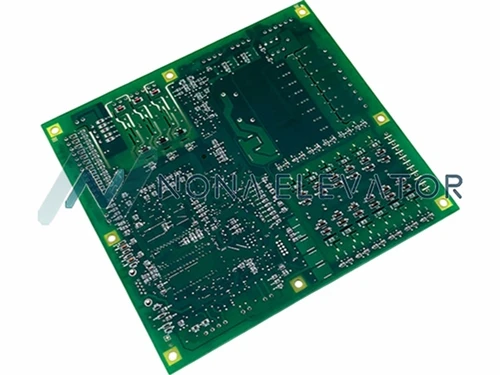
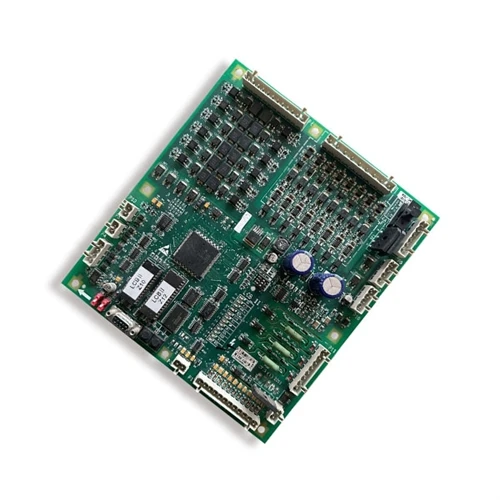
Wait, what about the electronic parts? You might be wondering how the mechanical guide shoe connects to the digital side of elevators. The KONE Elevator LCEGTW Board KM713180G11 handles landing zone and slowdown signals for the elevator. Worn guide shoes that cause car misalignment may lead to unstable leveling, which can interfere with signals read by this board and create service faults. That's a good example of how mechanical and electronic parts work together in a KONE elevator.
Another part to mention is the limit switch, like the KONE Elevator Limit Switch KM50307576G01. These switches are at the top and bottom of the shaft, and they stop the elevator if it goes too far past the top or bottom floor. If the guide shoes are worn and the car is misaligned, it's more likely to hit the limit switch incorrectly, leading to unnecessary shutdowns. So keeping the guide shoes in good shape prevents those minor (but annoying) service calls.
Let me get back to the core interaction here to make sure I didn't skip anything. The guide shoe's surface is self-lubricating, right? So as it rubs against the rail, it releases a tiny bit of lubricant that keeps friction low. That's different from older guide shoes that required manual lubrication every few months-KONE's design cuts down on maintenance, which is why so many building managers prefer them. I've heard from clients that switching to KONE guide shoes reduced their elevator service calls by 30% in the first year, just from less wear and smooth interaction.
Wait, should I clear up a common misconception? A lot of people confuse guide shoes with guide rollers, which are widely used on medium and high-speed elevators. Guide shoes are solid, which works better for mid-rise because they're quieter and cheaper to maintain. The interaction here is all about static, consistent contact rather than the rolling motion of rollers. That's why guide shoes are the go-to for most commercial and residential buildings under 20 stories.
As a supplier, I've seen firsthand what happens when the interaction between guide shoes and the car goes wrong. I once had a client in a 12-story apartment building who ignored guide shoe wear for six months. The wobbling became so bad that it started to scratch the car's interior walls, and the limit switch got knocked out of alignment twice. It cost them way more in repairs than if they'd just replaced the guide shoes early. That's why we always emphasize regular inspections-catching wear early keeps the whole system working together.
Now, if you're a building manager, maintenance tech, or just someone looking to upgrade their elevator parts, you might be wondering where to get genuine KONE guide shoes. We supply high-quality, original-equipment KONE parts, including the guide shoes, and we work with clients to make sure they get the right parts for their specific elevator model. Whether you need a single guide shoe or a bulk order for a large building, we can help.
Let me wrap this up with a clear note: the interaction between KONE elevator guide shoes and the elevator car is a perfect blend of mechanical design and system integration. The guide shoes mount to the car frame, fit snugly over the shaft rails, absorb lateral forces, keep the car aligned, and work in sync with other parts like the traction machine, door motor, LCEGTW board, and limit switch. It's not just a simple "sit on a rail" part-it's a critical component that ensures every elevator ride is smooth, safe, and reliable.
If you're ready to replace your worn guide shoes, upgrade your elevator system, or just chat about what parts your setup needs, reach out to us for a no-obligation consultation. We're here to help you get the right parts at a fair price, with fast shipping and expert support.
References

- KONE Corporation. (2022). Elevator Guide Shoe Design and Maintenance Guidelines. KONE Technical Documentation.
- Elevator World. (2021). "Lubricated vs. Non-Lubricated Guide Shoes: Performance Differences in Mid-Rise Elevators." Elevator World Magazine, Vol. 69, No. 8.
- KONE Service Manual. (2023). MX Series Traction Machine Integration with Guide Shoe Systems. KONE Global Service Resources.
- American Elevator Parts. (2024). Genuine KONE Replacement Parts Compatibility Guide. Internal Supplier Documentation.