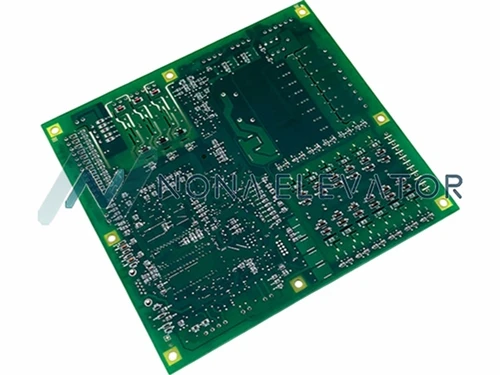
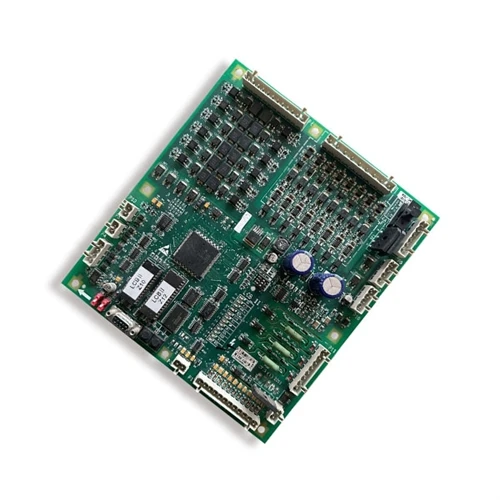
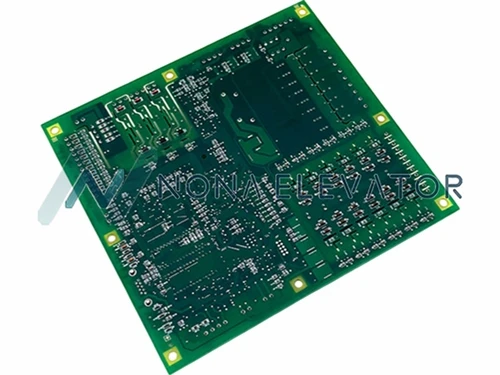
If you've worked with OTIS elevators, you know that leveling issues can cause frustrating problems, such as the elevator car stopping slightly above or below the landing floor. As a supplier of the LCB-II GGA21240D1 main board, NONA ELEVATOR helps buyers identify the correct elevator control components and find suitable replacement parts for maintenance and modernization projects. Before attempting any adjustment, it is important to determine whether the problem is caused by position feedback, leveling sensors, wiring, mechanical conditions, or the controller itself.
First, let's look at why leveling matters. The leveling function helps the elevator car align with each floor's landing so that the car floor and landing sill are at a safe, convenient height for passengers. Poor leveling can increase tripping risks and may indicate an issue with the position feedback system, floor detection components, mechanical conditions, or control settings. Regular inspection and accurate fault diagnosis are important parts of elevator preventive maintenance.

Pre-Calibration Checks for an OTIS LCB-II System
Before starting any leveling adjustment, check the elevator's operating status and record the symptoms. Determine whether the leveling error occurs consistently at a particular floor or appears intermittently. This information can help technicians narrow down the possible causes.
Power supply conditions should also be checked against the applicable electrical drawings and equipment specifications. Unstable power, faulty connections, or problems with a related power supply may affect controller operation. If the elevator experiences other electrical faults or unexpected shutdowns, the power supply and associated circuits should be inspected before assuming that the LCB-II GGA21240D1 main board is defective.
Door components should be inspected when the reported symptoms indicate a possible mechanical or door-operation problem. Worn or damaged door hanger rollers can cause irregular door movement, but a door issue should not automatically be treated as the cause of an elevator leveling error. Technicians should distinguish between door-operation faults and actual car-position or leveling faults.
NONA ELEVATOR also supplies elevator components such as the Elevator Emergency Power Supply RKP220/12J and XIZI OTIS Elevator Door Hanger Roller 56x16x6201. Before selecting either product, confirm the original part number, dimensions, electrical specifications, and application requirements. Compatibility should be verified for the specific elevator configuration.

How to Calibrate Leveling on an OTIS Elevator with LCB-II GGA21240D1
The leveling adjustment procedure depends on the actual OTIS control system configuration, its software version, and the position-detection equipment installed. The exact diagnostic menu, calibration commands, and adjustment parameters should be confirmed using the applicable OTIS service documentation. Do not assume that every LCB-II GGA21240D1 installation uses the same menu or calibration sequence.
Step 1: Check the position feedback system
Inspect the position feedback components and their connections according to the relevant electrical drawings. Depending on the system configuration, the pulse generator (PG), floor-zone detection components, and related wiring may be relevant to car-position and leveling faults. Check for loose connections, damaged cables, contamination, or other visible problems before making adjustments.
Step 2: Verify floor-zone and leveling signals
Use the approved diagnostic procedure to verify that the relevant position and floor-zone signals are being detected correctly. If the signals are inconsistent, investigate the sensor, wiring, mounting condition, and associated control components before attempting a calibration procedure.
Step 3: Follow the applicable calibration procedure
If the checks indicate that calibration is required, follow the procedure specified for the actual OTIS control system. The reference position, inspection operating procedure, adjustment parameters, and confirmation method must come from the applicable technical documentation. Avoid using unverified button combinations, fixed reference distances, or sensor adjustments taken from instructions for a different controller configuration.
Step 4: Verify leveling performance
After the authorized adjustment has been completed, qualified elevator personnel should verify the stopping position at the relevant landings and check for recurring errors. Any remaining deviation should be investigated rather than corrected through arbitrary sensor movement or repeated calibration attempts.
If the system continues to report faults, inspect the related position feedback components, connections, and controller diagnostics. The LCB-II GGA21240D1 main board should only be considered a replacement candidate after other plausible causes have been evaluated.
Related OTIS Elevator Parts
The following products may be relevant to elevator maintenance or replacement-part sourcing, depending on the actual equipment configuration:
OTIS Elevator Display Board DAA26800FM1 - verify the board identification, interface, and controller application before ordering.
XIZI OTIS Elevator Button With Braille BR32 - confirm the button specifications and applicable elevator system.
XIZI OTIS Elevator Door Hanger Roller 56x16x6201 - compare the original part number, dimensions, and bearing specifications.
Elevator Emergency Power Supply RKP220/12J - check the electrical requirements and compatibility before replacement.
These products should be evaluated according to their individual functions and verified specifications. A component used in the same elevator installation is not necessarily responsible for a leveling fault.
Preventive Maintenance for Consistent Leveling
Regular inspections can help identify developing problems before they cause extended elevator downtime. Maintenance personnel should follow the applicable manufacturer recommendations when checking position feedback, floor-zone detection, wiring, door components, and power-related equipment.
Record recurring faults, the affected floors, observed stopping deviations, and any diagnostic information available. A clear maintenance history can help distinguish an isolated issue from a recurring sensor, wiring, mechanical, or controller problem.
If leveling problems persist after the relevant checks, further diagnosis may be required to determine whether the control board or another component is defective. Replacing the main board without confirming the cause may lead to unnecessary cost and downtime.
Need an OTIS LCB-II GGA21240D1 Main Board?
If you are sourcing an OTIS Elevator Main Board LCB-II GGA21240D1 or related elevator components, NONA ELEVATOR can help you check the available part information and identify the details needed for compatibility verification.
Please provide the complete board label, part number, connector photos, and available control-system information. Our team can help assess the replacement requirements and provide a quotation based on the requested configuration.
For elevator maintenance and modernization projects, confirming the exact part before ordering helps reduce the risk of purchasing an unsuitable component.