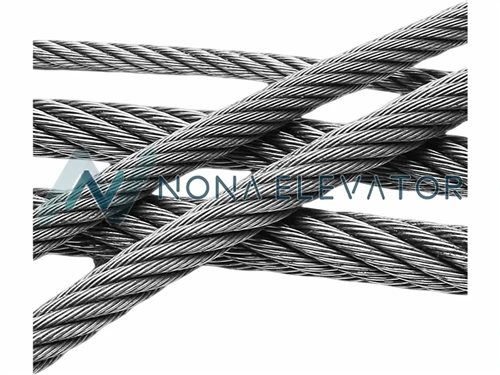
Hey there, folks! As a supplier of elevator steel wire ropes, I often get asked about what sets these ropes apart from other types of wire ropes. Well, let's dive right in and explore the differences.
1. Design and Structure
First off, the design of elevator steel wire ropes is highly specialized. These ropes need to be extremely reliable because they're responsible for moving passengers and cargo up and down multiple floors. The strands are carefully arranged to optimize strength and flexibility.
Most elevator ropes are made up of multiple strands wound around a core. The core can be a fiber core, which provides some flexibility and shock - absorbing properties, or a wire rope core for even greater strength. For example, a typical 8 - strand elevator rope might have a core that acts as a backbone, giving it the ability to handle the constant tension and movement.
In contrast, other types of wire ropes, like those used in construction for hoisting heavy equipment, might have a different strand arrangement. Construction ropes often focus more on brute strength and may have a simpler design. They're built to lift heavy loads in one go, rather than the continuous, smooth operation required for elevators.
2. Safety Requirements
Safety is a huge deal when it comes to elevator steel wire ropes. Elevators are used by thousands of people every day, and any failure could lead to a serious accident. That's why elevator ropes are subject to strict safety standards and regulations.
These ropes are regularly inspected for wear, tear, and any signs of damage. They're also designed with a high safety factor, usually around 12 to 16 times the normal working load. This means that even if the elevator is carrying its maximum capacity, the rope can handle much more before it fails.
On the other hand, wire ropes used in other industries may have different safety requirements. For instance, ropes used in marine applications need to be resistant to corrosion from saltwater, but the safety factor might not be as high as that of elevator ropes. Marine ropes are designed more to withstand the harsh environment of the sea than the constant start - and - stop motion of an elevator.


3. Performance in Terms of Smoothness and Vibration
Elevators need to provide a smooth and quiet ride for passengers. So, elevator steel wire ropes are engineered to minimize vibration. The ropes are made with high - precision manufacturing processes to ensure a uniform diameter and consistent surface texture. This reduces friction and vibration during operation.
Let's say you're in a high - end building's elevator. You barely feel any movement or hear any noise because the ropes are working so smoothly. In contrast, other wire ropes, such as those used in mining equipment, are designed for heavy - duty work. They may generate more vibration and noise because their main function is to move large amounts of material, not to provide a comfortable ride.
4. Durability and Longevity
Elevator steel wire ropes are built to last. They're made from high - quality steel that's resistant to corrosion, fatigue, and abrasion. The environment inside an elevator shaft is relatively controlled, which helps extend the lifespan of the ropes. However, they still need to withstand many starts and stops over the years.
For other types of wire ropes, the durability requirements vary depending on the application. Ropes used in logging, for example, need to be tough enough to handle the rough and unpredictable nature of forest operations. They may not last as long in elevator - like conditions due to the different types of stresses they face.
5. Compatibility with Equipment
Elevator steel wire ropes are specifically designed to work with elevator equipment. They need to fit precisely on the elevator's traction sheave and counterweight system. The diameter and the number of strands of the rope are carefully selected to match the design of the elevator.
If you want to check out some other elevator parts that are also crucial for the proper functioning of elevators, here are some links:
- Elevator Push Button MTD330
- Elevator Guide Shoe Roller 76x22x6203
- Elevator Emergency Stop Switch YW1B - V4E01R
- Elevator Proximity Switch Sensor PFI25 - 8DN
- Elevator Guide Shoe DX10A
In comparison, wire ropes used in other industries are designed to be compatible with different types of equipment. For example, ropes used in cranes are made to fit the crane's hoisting mechanism, which has different requirements than an elevator system.
Why Choose Our Elevator Steel Wire Ropes?
As a supplier, we understand the importance of quality and reliability when it comes to elevator steel wire ropes. Our ropes are manufactured using the latest technology and highest - quality materials. We ensure that each rope meets or exceeds the strict safety standards set for elevator applications.
Whether you're building a new elevator or replacing an old rope, we've got you covered. We offer a wide range of elevator wire ropes to suit different elevator models and requirements.
If you're in the market for elevator steel wire ropes or want to learn more about our products, don't hesitate to reach out. We're here to answer all your questions and help you make the right choice for your elevator system. You can start the conversation and let's discuss your specific needs.
References
- American Society of Mechanical Engineers (ASME) Safety Code for elevators and escalators
- Wire Rope Technical Board (WRTB) Publications
- Industry whitepapers on elevator components and safety