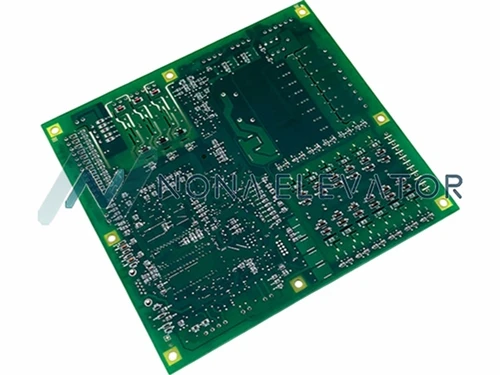
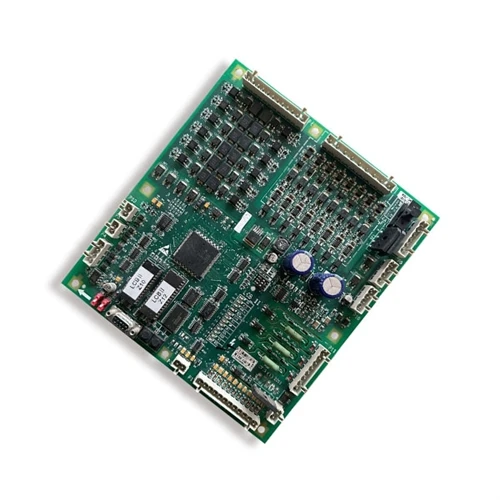
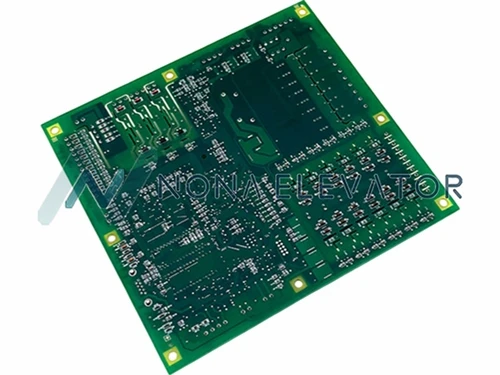
As a supplier of the HYUNDAI Elevator Inverter Board WBVF - N, I've had extensive experience with this product and have encountered various common problems that users might face. In this blog, I'll share insights into these issues, their possible causes, and some solutions.
1. Overheating Problems
One of the most prevalent problems with the HYUNDAI Elevator Inverter Board WBVF - N is overheating. Overheating can lead to a range of issues, from reduced performance to complete system failure.
Possible Causes
- Poor Ventilation: If the elevator's control cabinet where the inverter board is installed lacks proper ventilation, heat cannot dissipate effectively. For example, if the cabinet is placed in a small, enclosed space with limited air circulation, the heat generated by the inverter board will accumulate.
- High Ambient Temperature: Elevators installed in areas with high ambient temperatures, such as in tropical regions or near industrial heat sources, can cause the inverter board to overheat more easily.
- Excessive Load: When the elevator is frequently carrying heavy loads or operating at high frequencies, the inverter board has to work harder, generating more heat.
Solutions
- Improve Ventilation: Ensure that the control cabinet has adequate ventilation holes and that they are not blocked. You can also install fans or cooling systems in the cabinet to enhance air circulation.
- Control Ambient Temperature: If possible, install the elevator in a cooler environment. In some cases, using air - conditioning in the control room can help maintain a lower temperature.
- Manage Load: Implement load - management strategies for the elevator. For example, limit the number of passengers during peak hours or set weight limits to prevent overloading.
2. Communication Errors
Communication errors between the HYUNDAI Elevator Inverter Board WBVF - N and other components of the elevator system can disrupt normal operation.
Possible Causes
- Faulty Wiring: Damaged or poorly connected wiring can lead to intermittent or complete loss of communication. This can be due to physical damage, loose connections, or corrosion over time.
- Interference: Electrical interference from other equipment in the elevator or the surrounding environment can disrupt the communication signals. For instance, electromagnetic interference from nearby motors or power lines can affect the signals transmitted by the inverter board.
- Software Issues: Outdated or corrupted software on the inverter board or other connected components can cause communication problems.
Solutions
- Check and Repair Wiring: Regularly inspect the wiring for any signs of damage or loose connections. Replace any damaged wires and ensure that all connections are tight.
- Reduce Interference: Use shielded cables to minimize the impact of electromagnetic interference. You can also install filters or isolators to block unwanted signals.
- Update Software: Keep the software on the inverter board and other connected components up - to - date. Manufacturers often release software updates to fix bugs and improve communication stability.
3. Power Supply Problems
The HYUNDAI Elevator Inverter Board WBVF - N requires a stable power supply to function properly. Power - related issues can cause malfunctions or even damage to the board.
Possible Causes
- Voltage Fluctuations: Unstable power grids can lead to voltage fluctuations, which can be harmful to the inverter board. Sudden spikes or drops in voltage can damage sensitive electronic components.
- Power Surges: Lightning strikes or other electrical events can cause power surges that can overload the inverter board.
- Faulty Power Supply Unit: The power supply unit that provides power to the inverter board may malfunction, resulting in incorrect voltage output.
Solutions
- Use Voltage Stabilizers: Install voltage stabilizers to ensure a constant and stable voltage supply to the inverter board.
- Surge Protection: Install surge protectors to safeguard the inverter board from power surges. These devices can divert excess voltage to the ground and prevent damage to the board.
- Replace the Power Supply Unit: If the power supply unit is found to be faulty, replace it with a new and reliable one.
4. Component Failures
Over time, individual components on the HYUNDAI Elevator Inverter Board WBVF - N may fail due to wear and tear or manufacturing defects.

Possible Causes
- Aging: Components such as capacitors, resistors, and transistors can degrade over time due to normal use. Heat, humidity, and electrical stress can accelerate this aging process.
- Manufacturing Defects: In some cases, components may have inherent defects from the manufacturing process. These defects may not become apparent immediately but can cause problems later on.
- Excessive Stress: Components can fail if they are exposed to excessive electrical or thermal stress. For example, if the inverter board is overloaded for an extended period, components may fail prematurely.
Solutions
- Regular Maintenance: Conduct regular maintenance checks to identify and replace aging components before they fail. This can help prevent sudden breakdowns.
- Quality Control: When replacing components, ensure that you use high - quality parts from reliable suppliers. This can reduce the risk of future component failures due to low - quality parts.
- Reduce Stress: Implement measures to reduce the electrical and thermal stress on the components. This includes proper ventilation, load management, and maintaining a stable power supply.
As a supplier, I understand the importance of having reliable elevator parts. In addition to the HYUNDAI Elevator Inverter Board WBVF - N, we also offer other high - quality elevator parts such as the HYUNDAI Elevator Display Board HIPD - CAN V3.2, HYUNDAI Elevator PCB Board CCB - 3 204C2348 H24, HYUNDAI Elevator Board OPB - 3 204C2360 H22, and HYUNDAI Elevator Display Board HIPD - CAN V3.1. If you are facing problems with your elevator parts or are in need of new ones, don't hesitate to contact us for purchasing and negotiation.
References
- Elevator Maintenance Handbook
- Technical specifications of HYUNDAI Elevator Inverter Board WBVF - N