Hey there! As an elevator steel wire rope supplier, I often get asked about the regulations surrounding the use of these crucial components. In this blog, I'll dive into the ins and outs of elevator steel wire rope regulations, sharing some insights that I've gathered over the years in the industry.
Why Regulations Matter
First off, let's talk about why regulations are so important when it comes to elevator steel wire ropes. Elevators are used by countless people every day, and the safety of these vertical transportation systems is of utmost importance. Steel wire ropes play a vital role in the operation of elevators, supporting the weight of the elevator car and its passengers. Any failure in the wire ropes could lead to catastrophic consequences, such as an elevator free - falling or getting stuck between floors.
Regulations ensure that elevator steel wire ropes meet certain standards in terms of quality, strength, and durability. They help to prevent accidents and ensure that elevators are safe for public use. Without proper regulations, there would be a higher risk of sub - standard wire ropes being used in elevators, which could compromise the safety of everyone using them.
International and National Regulations
There are both international and national regulations that govern the use of elevator steel wire ropes. At the international level, the International Organization for Standardization (ISO) has developed standards for elevator components, including steel wire ropes. ISO standards provide a common framework for manufacturers and users around the world, ensuring that products meet a certain level of quality and safety.
In the United States, the American Society of Mechanical Engineers (ASME) sets the standards for elevator safety. The ASME A17.1 code specifically addresses the requirements for elevator steel wire ropes. This code covers aspects such as the design, installation, inspection, and maintenance of wire ropes. It specifies the minimum strength requirements, the type of materials that can be used, and the frequency of inspections.
In Europe, the European Committee for Standardization (CEN) has established standards for elevators, including those related to steel wire ropes. The EN 81 series of standards is widely recognized and followed in European countries. These standards ensure that elevator components, including wire ropes, are safe and reliable.
Key Regulations for Elevator Steel Wire Ropes
Material and Construction
One of the key regulations is related to the material and construction of elevator steel wire ropes. The ropes must be made from high - quality steel that can withstand the stresses and strains of elevator operation. The steel should have a certain minimum tensile strength to ensure that it can support the weight of the elevator car and its passengers.
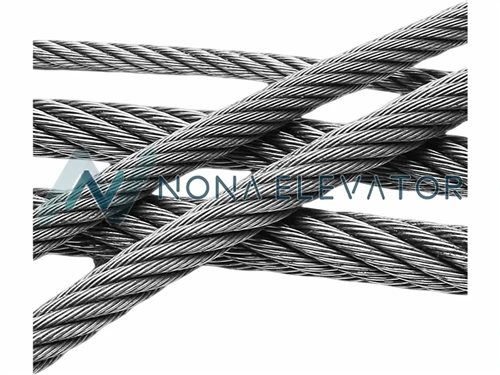
The construction of the wire ropes also matters. They are typically made up of multiple strands of wire twisted together. The number of strands and the way they are twisted can affect the strength and flexibility of the rope. Regulations specify the minimum number of strands and the type of lay (right - hand or left - hand) that should be used in elevator wire ropes.
Installation
Proper installation of elevator steel wire ropes is crucial for their safe and effective operation. Regulations require that the ropes be installed by trained and qualified personnel. The installation process should follow specific procedures to ensure that the ropes are properly tensioned and aligned. Incorrect installation can lead to premature wear and tear of the ropes, as well as safety hazards.
For example, the ropes must be installed with the correct amount of tension. If the tension is too low, the ropes may sag, which can cause them to rub against other components and wear out quickly. On the other hand, if the tension is too high, it can put excessive stress on the ropes and other parts of the elevator system.
Inspection and Maintenance
Regular inspection and maintenance of elevator steel wire ropes are essential to ensure their continued safety. Regulations specify the frequency of inspections, which typically range from monthly to annually, depending on the type of elevator and its usage.
During inspections, trained inspectors check for signs of wear, damage, or corrosion. They look for broken wires, fraying, and changes in the diameter of the ropes. If any issues are found, the ropes may need to be repaired or replaced.


Maintenance also includes lubrication of the wire ropes. Lubrication helps to reduce friction and wear, extending the life of the ropes. Regulations may specify the type of lubricant that should be used and the frequency of lubrication.
Impact on My Business as a Supplier
As an elevator steel wire rope supplier, these regulations have a significant impact on my business. I need to ensure that the products I supply meet all the relevant regulations. This means working closely with manufacturers to source high - quality wire ropes that comply with international and national standards.
I also need to provide my customers with accurate information about the regulations and how they apply to the use of the wire ropes. This helps them to ensure that their elevators are installed, maintained, and operated in a safe and compliant manner.
In addition, the regulations can sometimes lead to increased costs for my business. For example, meeting the strict quality standards may require more expensive materials or manufacturing processes. However, I believe that these costs are worth it in the long run, as they contribute to the safety and reliability of the elevators that use our wire ropes.
Related Products and Links
If you're interested in other elevator parts, I'd like to share some useful links. You can check out Elevator Wire Rope Fastening, which is an important component for securing the wire ropes. Also, the Ouling Elevator Door Inverter OLVF200 - 1 OLVF300 - 1 is a great product for controlling the elevator doors. And the SFT Elevator Door Detector SFT - 620A1 - P220N can enhance the safety of elevator doors.
Contact for Procurement
If you're in the market for high - quality elevator steel wire ropes or have any questions about the regulations, I'd love to hear from you. Whether you're an elevator manufacturer, a maintenance company, or a building owner, I can provide you with the products and information you need. Don't hesitate to reach out and start a conversation about your procurement needs.
References
- International Organization for Standardization (ISO) standards related to elevator components.
- American Society of Mechanical Engineers (ASME) A17.1 code.
- European Committee for Standardization (CEN) EN 81 series of standards.